 EN
EN
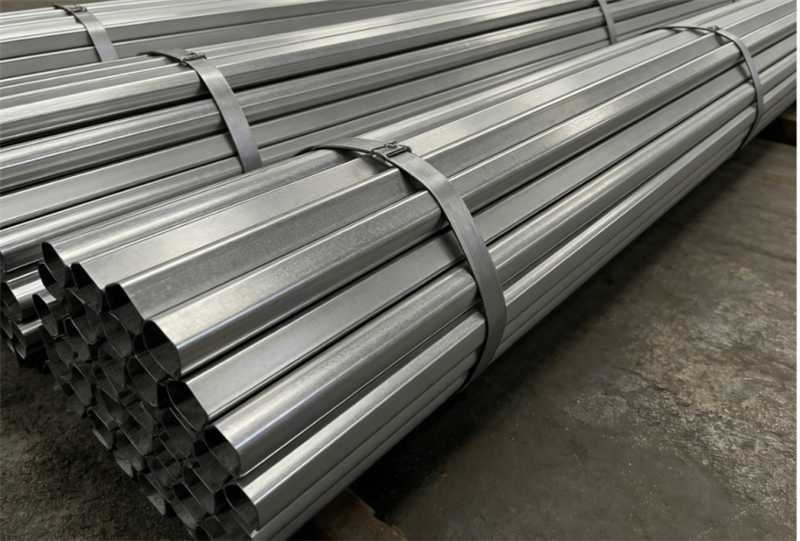
Ferrous Metals: Virility and Heavy-Duty Nature of Pipe Processing in Fabrication
Carbon and Low-Alloy Steels: A Benchmark in Oil & Gas and Power Generation
P91 and Creep-Resistant High-Temperature Alloys for Pipe Processing Fabrication
Ferritic and Duplex Stainless Steels
During the processing of pipes in the presence of more aggressive media, such as chlorides, organic acids, and seawater, elements such as chromium and molybdenum in stainless steels, duplexes, and super duplexes, allow the steels to form rapidly and reportedly self-heal themselves passively against corrosion of the pitting and crevice types. In particular, duplex stainless steels, which combine the toughness of the austenitic microstructure with the strength of the ferritic microstructure, tend to have a considerably lowered susceptibility, by as much as 65%, to chloride-induced stress corrosion cracking (SCC) as shown in recent NACE-compliant field studies, when compared to 316L stainless steels. Their balanced dual-phase microstructure also lends itself to a higher level of yield strength and weldability, making duplex stainless steels an excellent choice for high-integrity joints in desalination plants, offshore platforms, and chemical transfer lines. Each grade is chosen according to the severity of the environment, whereby 316L may be used for moderate chloride environments, and superduplex alloys can be used to replace expensive surface treatments and preservatives in severe environments with chloride concentrations exceeding 30,000 ppm.
Nickel-Based Superalloys and Titanium in Aggressive Chemical and Seawater Service
At the most corrosive and highest temperature conditions, the choice of materials are nickel-based superalloys and titanium. These conditions could be during transportation of sulfuric acid, deep-sea risers, or during sour oil extraction. An example of a nickel-based superalloy is Inconel 625 or even Hastelloy C-276. These conditions also require titanium. An example is Grade 2 and Grade 7. With regard to concentrated sulfuric acid, Hastelloy C-276 maintains over 95% of its corrosion resistance. Seawater includes many methods of corrosion such as pitting and crevice corrosion which are considered the most aggressive. Due to this, it is difficult to design materials which can withstand corrosion for prop long periods. Titanium oxide forms in seawater and exceptionally prevents corrosion, and remains a sustainable option. An example is the 40-year service life of titanium in cooling systems. Inconel 625 is preferable to other materials concerning sulfide stress cracking in hydrocarbon streams. Therefore, nickel-based superalloy and titanium, help to provide a strong total cost of ownership while ensuring mission-critical systems run without interruption.
Economical, Low-Pressure Pipe Processing Fabrication Using Polymer and Non-Metallic Pipes
HDPE, PVC, CPVC and PEX: What is the Optimal Balance between Cost, Efficiency of Installation and Chemical Incompatibility
When it comes to low pressure, non-critical pipe processing fabrication, particularly for municipal water supply, irrigation, and chemical drainages, polymeric materials provide great economic advantages as well as logistical benefits. HDPE, PVC, CPVC, and PEX are lightweight, corrosion-free pipe system solutions. They also require no threading or welding, therefore the installation labor and time saves are up to 40 percent as compared to a metal system. HDPE pipe is the most suitable for gas and water distribution piping systems and buried gas and water distribution piping systems. HDPE is flexible and has a seamless fusion weld. PVC Pipe provides good acid and alkali resistance. CPVC has good resistance and can withstand water above 200 degrees F. PEX Pipe has good bendability and is ideal for plumbing systems. However, there are some weaknesses to all of the materials. For example, PVC becomes embrittled at freezing temperatures and CPVC becomes UV degraded after being exposed. Thermal and pressure deratings are also critical when deciding on pipe materials. Therefore, flexible pipe materials must be chosen with consideration to chemistry.
Application of Design and Engineering for Pipe Processing Structure
A methodical and systematic approach is essential in determining the material to be used for building pipe fabrications. When fluids are being transported, pipes must remain undeterred by the steaming, fleshy, acidic wastewater from refiners. It is the most basic requirement to preserve the smooth passage and the integrity of the products. ASME B31.3 refers to maintaining the expected working pressure and operating conditions. This means that the pressure in the pipes must be no more than a 30% margin from the expected working pressure, while the temperature is kept no higher than 400 degrees Celsius. P91 would fall within that range. The operating conditions also respond to the temperature of the fluid and wind. Devices should also be corrosion resistant and compatible with the fluids. Higher-grade alloys, although costly, would be worth spending money on. Many alloys switch places with the flanges of corrosion pipes. It follows that the more fluid that is flowing, the more cost-efficient the device would be. Have a smooth running job and be financially solid. Integrating the criteria makes solid decisions in the security of smoother, more reliable operations, and more cost savings of pipe processing structures.
FAQ
What The Benefits Are Of Carbon And Low Alloy Steel?
There are many benefits of Carbon and Low Alloy Steel. They have a very good strength to cost ratio. They can be used in the building of pipes for power and oil and gas. They also have very good resistance to the extreme temperatures and also to the sour environments.
Why these alloys for corrosive conditions?
Because alloys such as duplex grades and stainless steel have higher corrosion resistance since a protective oxide layer is developed as part of their corrosion process, making them ideal for chlorides, organic acids, and even seawater.
How do polymers stack up against metals for making pipes?
Materials such as HDPE, PVC CPVC and PEX have a number of advantages over metals such as being lightweight and corrosion-free which provide huge economic and logistical advantages especially considering that these pipes are laid for low pressure and non-critical applications.