 EN
EN
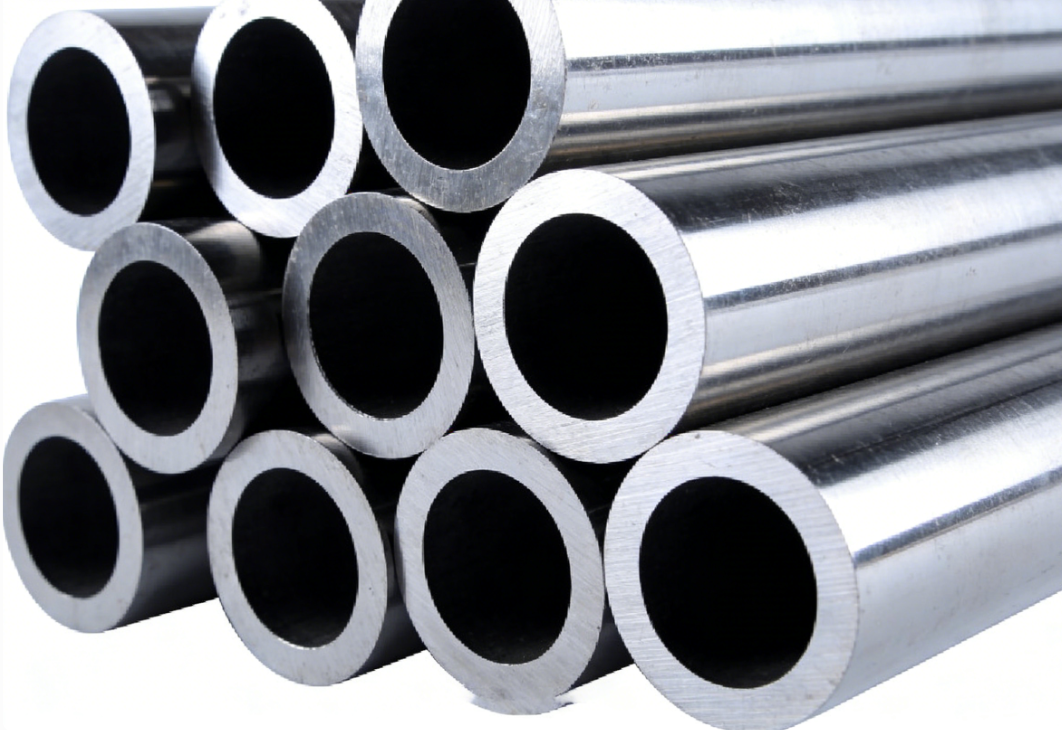
Confirm Compliance of Raw Materials and Appropriateness for Grade Requirements
Confirm Compliance with Provisions of ASTM/ASME Grades: A106 (Carbon), A335 (Alloy), and A213 (Stainless) Tubes
The performance of seamless pipes critically depends on the different grades of materials. The ASTM A106 carbon steel is designed for power generation where there is high pressure steam. A335 alloy steel withstands corrosion caused by sulfur in refineries, whereas A213 stainless tubes are suitable for applications in pharmaceutical companies where the highest degree of sterility is required, and corrosion is an issue. Using A106 instead of A335 is estimated to shorten the service life of the line by 60% (Piping Systems Integrity Report 2023). Care must be taken to select the proper grade of material relative to temperature, pressure, and the type of chemical service to be encountered, or else there are risks of brittle fracture, unforeseen plant shutdowns, and failures of a safety-critical nature.
Evaluation of Dimensional Accuracy and Geometric Compliance with Industry Standards
Main Tolerances: OD, Wall Thickness, Ovality, and Straightness according to ASTM A999/A530
The dimensional accuracy is essential to maintaining the integrity of the seamless pipe under the operational stress. ASTM A999/A530 sets the following parameters: Outer Diameter (OD) tolerance is typically between ±0.75–1.25%, wall thickness deviation is limited to ±12.5% of nominal, with ovality and straightness being tightly controlled. According to a recent integrity study of the pipeline, the majority of (68%) of the in-service failures were a result of dimensional nonconformities such as wall thinning and diameter variation, which compromised the pressure containment and the fit-up of the joints. Laser scanning and coordinate measuring machines (CMM) give objective repetition for validation of these parameters before shipment.
How ±0.5% Ovality Affects Pressure Integrity and Fatigue Resistance of Seamless Pipe
Ovality of a pipe that exceeds ±0.5 % compromises the uniform distribution of stress around the circumference of the pipe. As a result, wall thickness of the pipe meant to withhold pressure is compromised and the pressure withstanding capacity is reduced by up to 30 % (ASME B31.3). This pressure integrity coupled with the fact that seamless pipes share their strength from the geometric continuity of the pipe means that any disturbance in the integrity of the pipe compromises the effectiveness of the seamless pipes over the alternative welded pipes. Metrology in accordance with ASTM A530 is designed to ensure that ovality shifts during the manufacturing process are less than 1 millimeter to support the long-term reliability of the system.
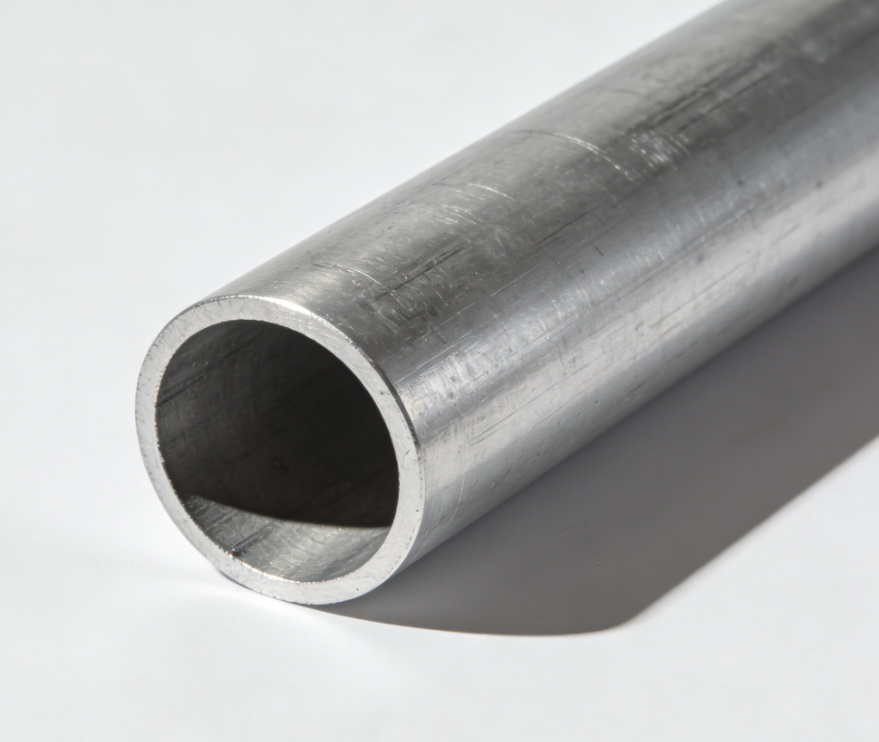
Testing Procedures for Integrity of Surfaces and Subsurface Structures
Seamless Pipe Defect Detection Using UT and ECT
Defects of various forms (laminations, voids, micro-cracks) and wall thickness variations beyond ±0.1mm of any solid material can be quantified using Ultrasonic Testing (UT). Defects occurring on the surfaces of solid materials (such as seams and hairline fractures) can be detected with Eddy Current Testing (ECT) with a resolution of up to 0.1mm. Volumetric evaluation is UT's expertise while rapid surface testing is ECT's. In materials that are critical to the mission (that operate under high pressure and are subject to thermal cycling or corrosive environments), a combination of the two types of NDT provides the necessary assessment for both the surface and the bulk of the material.
Limitations of Visual Inspection and Hydrostatic Testing
Visual inspections and hydrostatic testing, while commonplace and useful, have proven to be more limiting than some of the other testing methods. Hydrostatic testing can be used to check pressure containment 150% of the design pressure, but it does not assess subsurface defects that are 0.3mm or smaller (such as stress corrosion cracking or micro-laminations, or fatigue cracking) and visual inspections only assess damage that is macroscopic (such as dents, gouges, or corrosion). NACE International reports that for micro-defects that go undetected, 22% of the failures in pipelines are attributable to the combination of undetected micro-defects. These methods are not just optional upgrades—they are mandated for UT and ECT to be used on seamless pipes that are likely to be a high-cycle service.
Certification of Mechanical Performance through Heat Treatment and Test Data
An example of a heat treatment process is Normalizing and Tempering. Heat treatment control grain structures and enhances tensile strength by 15-30%. Heat treatment eliminates undesirable rester stresses that can cause premature failure. Accompanying certified mechanical test data that validate this transformation is indispensable. Always ask for mill test reports that confirm compliance to standards of ASTM for tensile (A370) and hardness (E18) test and impact toughness (E23) tests especially the Charpy tests at service temperatures. Pipes that have no treatment or improper treatment are unpredictable and pose a risk that is unacceptable in offshore, high-pressure, and cryogenic applications.
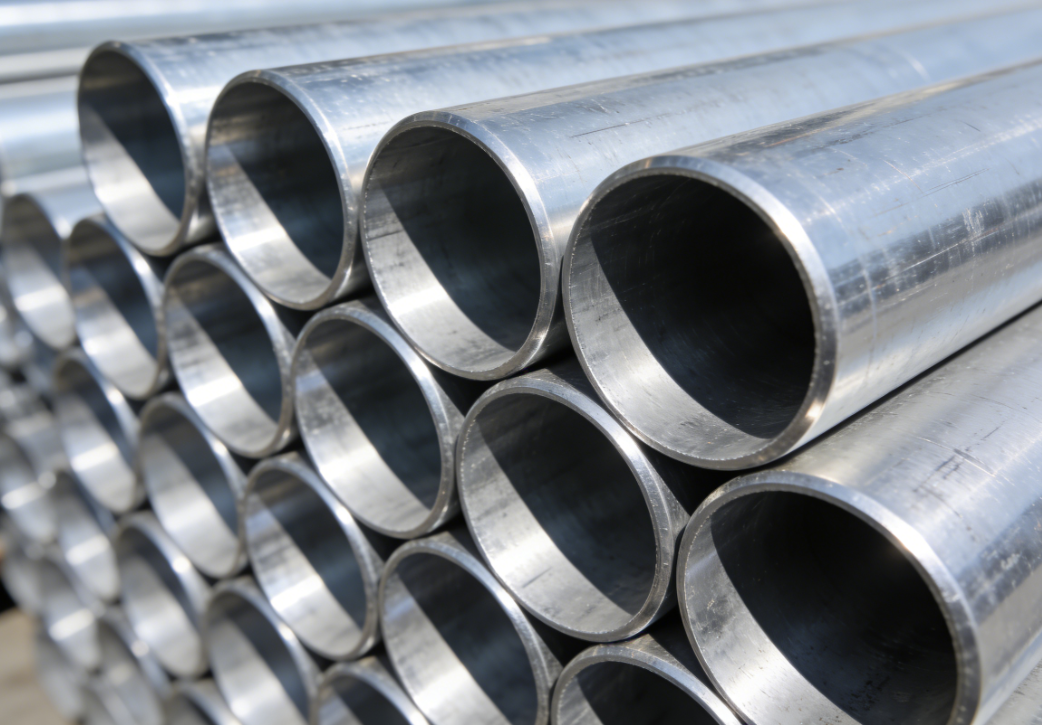
The validated thermal processing ensures microstructural homogeneity. Rigorous mechanical testing is not just formalism; it’s the advantage, the pipe is going to work as per design.
QUICK ANSWERS
Why is seamless pipe grade selection critical?
The selected grade determines the pipe compliance to the service it will be used. A wrong selection leads to premature failure.
What is the relevance of the Mill Test Reports (MTRs)?
MTRs, aside from legal traceability, ensures that pipes are made as per standard to conform and certify the chemical and mechanical properties of the material.
Why is dimensional control most critical in seamless pipes?
Dimensional control ensures that the seamless pipes withhold pressure at their operational stresses. Nonconformity may lead to failure of operational integrity.
What are the advantages that come with Non-Destructive Testing (NDT)?
Ultrasonic and Eddy Current methods are able to identify surface and subsurface imperfections providing a thorough evaluation of the integrity of the pipe.
In what ways do heat treatments improve the performance of seamless pipes?
Heat treatments improve grain structure uniformity and tensile strength. Also, they remove residual stresses that can cause early failure of the pipe.