 EN
EN
Why Does Steel Frame Construction Allow Faster On-Site Building?
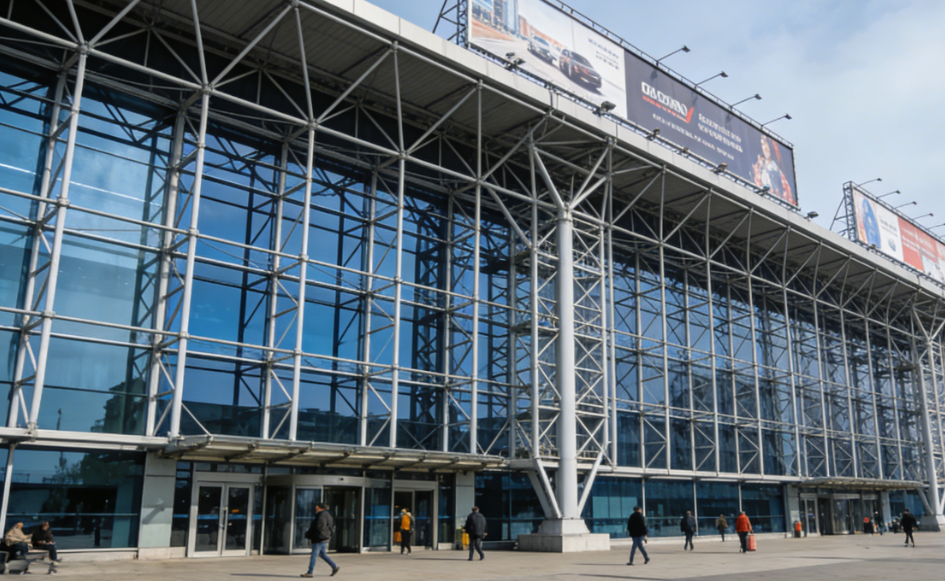
The schedule-defying capabilities of a steel frame construction site are a result of the ability to construct off-site and adaptable-design construction on site. Their construction components are manufactured in a controlled environment to be site-ready as soon as they arrive. This advanced construction eliminates further delays when on-site adjustments and post-casting curing are necessary. The on-site labor requirement is reduced by up to and greater than 30% when compared to other traditional construction methods as confirmed by NIST. This prefabricated construction also allows overlapping workflows to commence earlier. The construction of heavy structural steel permits larger prefabricated sections which can be transported and raises rapidly. This speeds up the structural completion of the construction site as well. Construction completion as a whole is 20-40% faster as well. This reduced the time construction sites are in need of financing and generating income.
The Edge of Prefab: Delivery of Steel Frames Just in Time and Built Off the Construction Site
The steel frame of a building changes the timeline of the project thanks to the buildings being prefabricated off site. Once construction reaches the point of being able to prep a building frame, these things become possible:
The structural components are prefabricated, and arrive prep to exact specs and ready to connect
The site can be prepped at the same time as the buildings are being framed
Delays due to the weather are not an issue and minimized
Solving the Time Quandary: The Net Time on a Project is Decreased With a Standardized Design
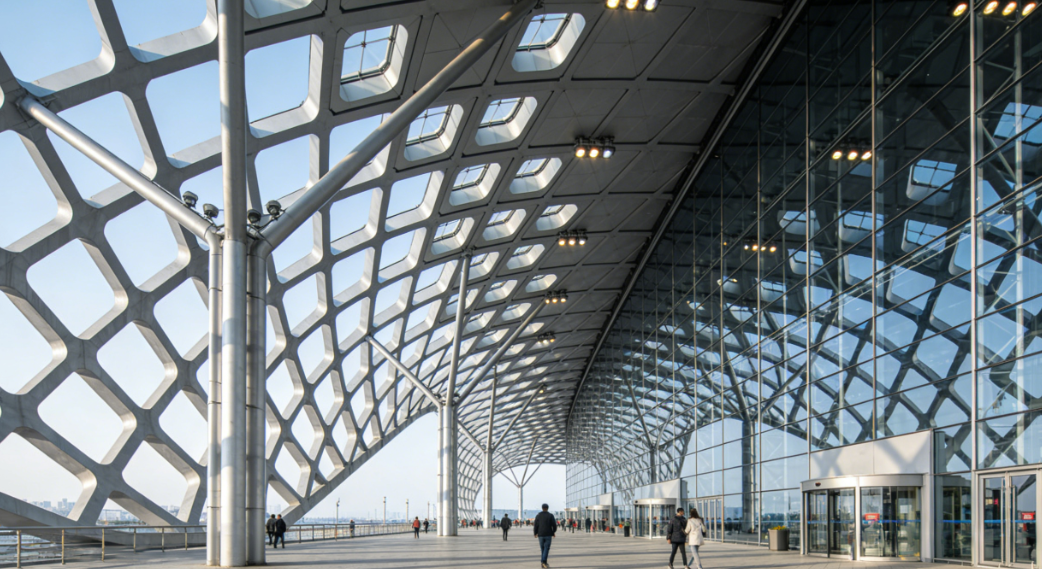
Standardized design of steel framed buildings means scheduled completion of a project is no longer dictated by most the time-consuming step of custom fabrication. Because the components are of the same design:
The time a manufacturer is taking to fabricate the components is decreased by 30% to 40% (Steel Research, 2023)
On-site modifications are no longer needed and
The delivery of components is Just in Time
This means parts of the project that are supposed to be done in sequence can be done at the same time due to the design and construction of the frames. The use of a Standardized Steel Frame System is an industry proven method of construction due to the 45% decrease of the overall completion time. Precise construction and fabrication of the components are the further means to decrease the assembly time. The key benefits of this are:
35% decrease in the time required of skilled labor
Minimal material waste due to the prep fabrication
Staging of the crane systems ready to be erected
The construction time of a steel framed building can be predicted accurately, unlike most other types of building construction due to the extreme nature of site construction and this method of construction.
Verifiable Time Savings: Productivity and Speed of Assembly for Steel Framework Systems
Evidence-Based Productivity: 30–50% Less Labor Time On-Site Compared to Concrete (NIST, 2022)
Independent research confirms labor efficiency for steel. Compared to conventional concrete construction, NIST (2022) reported 30-50% reduction in labor hours on-site. This is due to the prefabricated components being applicable for immediate on-site installation without formwork, curing, and manual placement. Crews rapidly install standardized members, compressing timelines by weeks to months depending on the project’s magnitude. The precision of pre-engineered connections also reduces adjustments during assembly.
Synchronized Workflow: Modular Sequencing and Crane-Ready Component Staging
Steel frame systems operate with sequenced installation. Components are pre-sorted into crane-lift batches that align with erection sequences, minimizing unnecessary crane repositioning and idle time. Structural bays assemble in a manner similar to interlocking units, which is further accelerated by visible connection points and pre-attached bracing. This “kit-of-parts” philosophy enables multiple active work zones: crews can be completing flooring or cladding while other sections are still being erected. Such coordination decreases time contributed to weather and enables closure of the structure sooner.
Steel frame systems consistently demonstrate remarkable performance in high-rise and complex geometric construction, where conventional construction methods become inadequate. The strong-to-weight ratio of structural steel helps designers create ambitious uses of space while still protecting the critical path. Steel frame construction differs in that installation allows components to be precisely prefabricated to reduce on-site uncertainties, and rapid assembly can be done in limited, constrained urban locations. This predictability is a reliability with limited weather disruptions, especially in seismic zones where structural integrity is important, and the need for adaptability is critical.
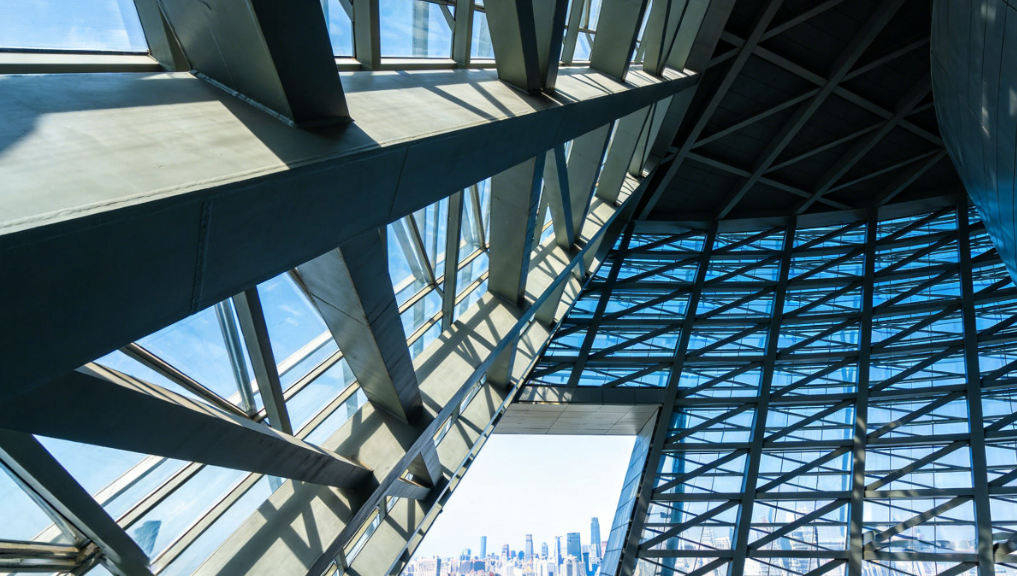
Rainier Square Tower has implemented SpeedCore® Technology to erect its core structure 45% faster than the average construction time using a concrete core and early fit-out of its steel frame system.
Seattle's Rainier Square Tower is a remarkable example of construction efficiency using a SpeedCore® frame system. SpeedCore® integrates the core and frame of the structure and eliminates both the formwork and concrete curing cycles of traditional construction methods. Steel-plate composite wall panels were prefabricated and erected at a remarkable speed of one floor every five days, permitting core construction to be 45% faster than reinforced concrete methods. The system also allowed interior fit-out work to proceed while ensuring the seismic performance of the structure. This work, along with the preceding construction activities, resulted in a significant reduction in the overall construction schedule. This project, along with other advanced steel frame systems, demonstrates the resolution of the “stacking trades” issue in complex vertical structures, which is the problem of constructing sequential trades which ultimately results in construction delays.
Frequently Asked Questions
What benefits are associated with steel frame systems, relative to concrete construction, and which benefits are the most significant?
Some of the most significant benefits that a steel frame system has over concrete construction include decreased construction time, decreased labor costs, and decreased construction delays due to weather. Steel frame systems also aid in construction time to completion because larger sections can be erected with more speed than concrete sections because of the lighter weight and higher strength of the steel, as compared with concrete.
What benefits do standardized designs bring to construction?
Standardized designs bring one of the most significant benefits to the construction timeline because they eliminate delays associated with custom fabrication, and they can reduce manufacturing lead time by 30 to 40 percent. This ultimately results in quicker completion of the overall project due to timely delivery and installed synchronization with the readiness of the foundation.
What role does prefabrication play in steel frame construction?
During prefabrication, components are produced in a factory setting, resulting in the elimination for the need for cutting, fitting, or curing on site. This results in the reduction of on site labor, quicker assembling, and allows construction phases to move in parallel rather than sequentially, increasing the overall completion of the project.
How does the SpeedCore® system benefit skyscraper construction?
The SpeedCore® system benefits the construction of skyscrapers by being able to combine the core and the structural frame into one, which removes the need for traditional concrete formwork and the curing cycles. This results in a greater assembly rate, and even the Rainier Square Tower was able to show a 45% increase in core completion, while still being able to keep its seismic resilience and compressing the fit-out time significantly.