 EN
EN
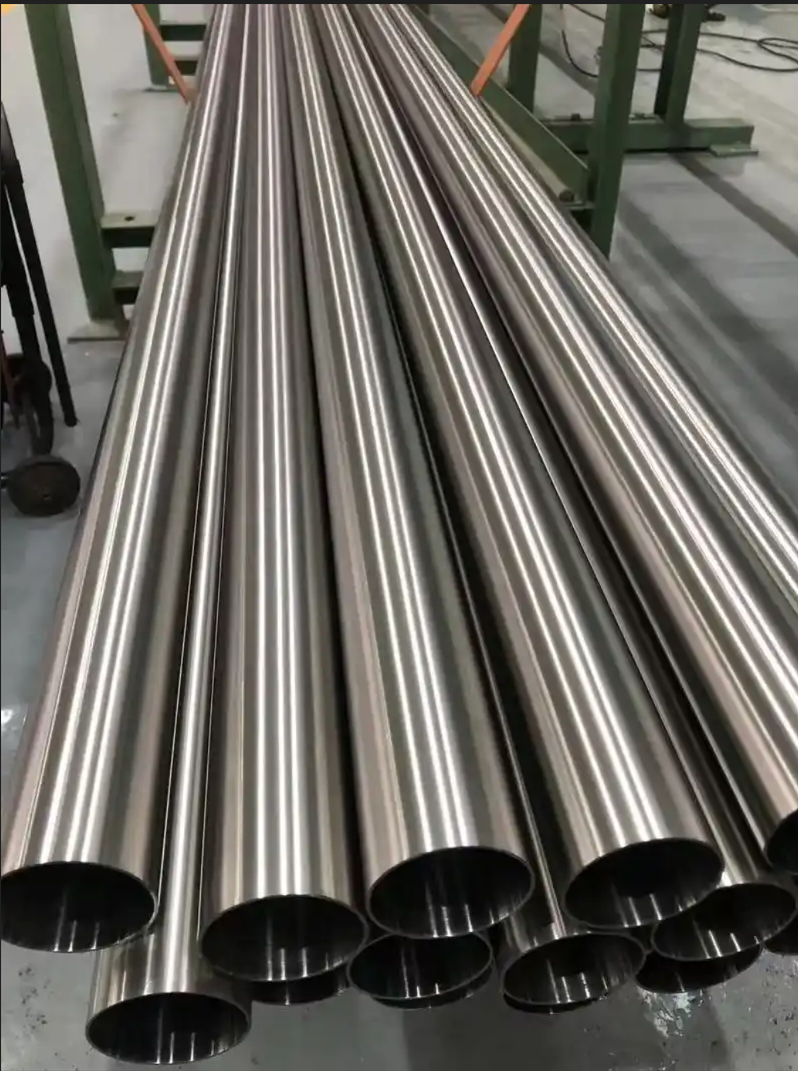
Steel Producing Industries as the Foremost Consumers of Recycled Metal: Electric Arc Furnaces and 100% Scrap-Based Steelmaking
Electric Arc Furnaces (EAFs) necessitate only recycled scrap metal to produce superior quality steel for advanced applications. Unlike blast furnaces which use iron ore, coke, and substantial energy resources, EAFs consume scrap metals and provide flexibility for different grades of steel as a result of.
In the context of circular economy principles, EAFs recycle not only construction and manufacturing waste, but also end of life vehicles and demolished buildings. In some cases, scrap metal is 100% used for steel rebar production. EAFs, with their highly precise ability to control metal compositions, can satisfy tough construction material standards. This leads to reduction of transportation costs and emissions.
The Environmental and Economic Impacts of Steel Recycling
Going from traditional blast furnaces to EAF-based scrap recycling can yield significant environmental and economic benefits. Steel production from recycled scrap saves 55% energy and 75% less CO2 emissions per ton of steel when compared to going the virgin pig iron based route. This is because mining, coke making, sintering and ore reduction steps in blast furnace production are energy intensive, and are eliminated hereby. The mid-size EAF mills alone will save up to $740,000 annually when global carbon pricing is established due to the benefits of energy and emissions reduction. The existing EAFs will achieve decarbonization of 72% of U.S. steel production from scratch (U.S. Geological Survey, 2023).
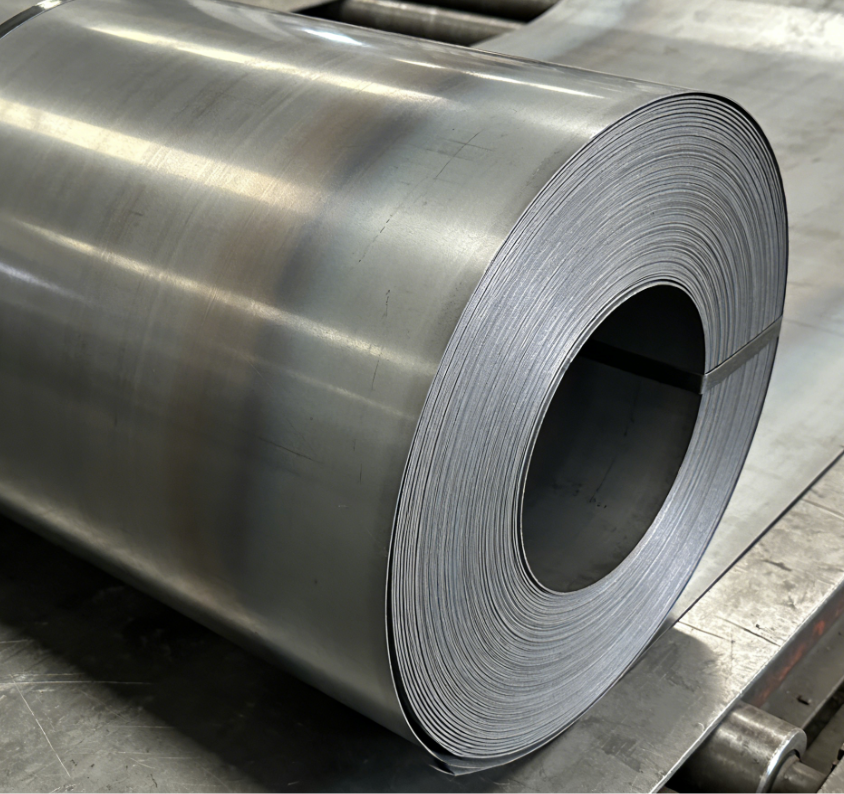
Automotive and EV Production: Driving Demand for Recycled Aluminum and Steel
Weight Reduction: Recycled Aluminum in Body Panels, Chassis, and Battery Enclosures
The lightweighting of EVs is an engineering challenge, and recycled aluminum is a key solution. The typical body panel, chassis, and battery enclosures, as well as thermal management and suspension systems, must resist crash impacts and corrosion. Body and chassis systems made with aluminum can be made 10% lighter, increasing an EV's range by about 13.7%. Aluminum has the distinct advantage of maintaining its properties and corrosion resistance after recycling. Aluminum is a dominant solution for chassis and suspension systems in the background of decreasing vehicle weight and the growing EV range. Recycled aluminum meets the requirements for thermal management and corrosion with advanced alloys.
Circular Supply Chains: 40–50% Recycled Content By 2030
The integration of recycled metals is a strategic pillar for the majority of OEMs and >40% recycled content by 2030 is a promise from the majority of old and innovative OEMs. The EU Circular Economy Action Plan, along with the U.S. Buy Clean initiatives, are accelerating investment in traceable supply chains. It reduces the reliance of primary aluminum, a process containing between 15 to 20 tons of CO2 per ton of aluminum, and reducing the procurement cost and energy by 55%. Recycled aluminum is no longer a green alternative, but a qualified standard material for next-generation EV designs.
Construction and Infrastructure: Sustainable Building using High-Recycled-Ferrous Metals
Structural Steel and Rebar: Up to 95% Recycled Content with No Performance Trade-offs
In construction, there is zero compromise on performance with recycled ferrous metals. Up to 95% recycled content structural steel beams, columns, and reinforcing bars (rebars) routinely comply with and surpass all mechanical, seismic, and fire resistance criteria for high-rise buildings, bridges, and other critical infrastructure. Independent testing has shown recycled ferrous metals have the same yield strength, elongation, and weldability as virgin steel, with no degradation after several recycle iterations. This is the result of careful control of the EAF chemistry and AI-assisted scrap sorting ensuring compliance with ASTM A706 (low-alloy rebar) and A992 (structural shapes). Lifecycle assessment shows this type of steel saves 75% of the energy and avoids approximately 1.85 tons of CO₂ for every ton that is produced (Construction Materials Journal, 2023). In combination with a typical 40% cost advantage over primary steel, high-recycled ferrous products are now the standard requirement for all LEED v4.1-bound and Envision-rated infrastructural projects.
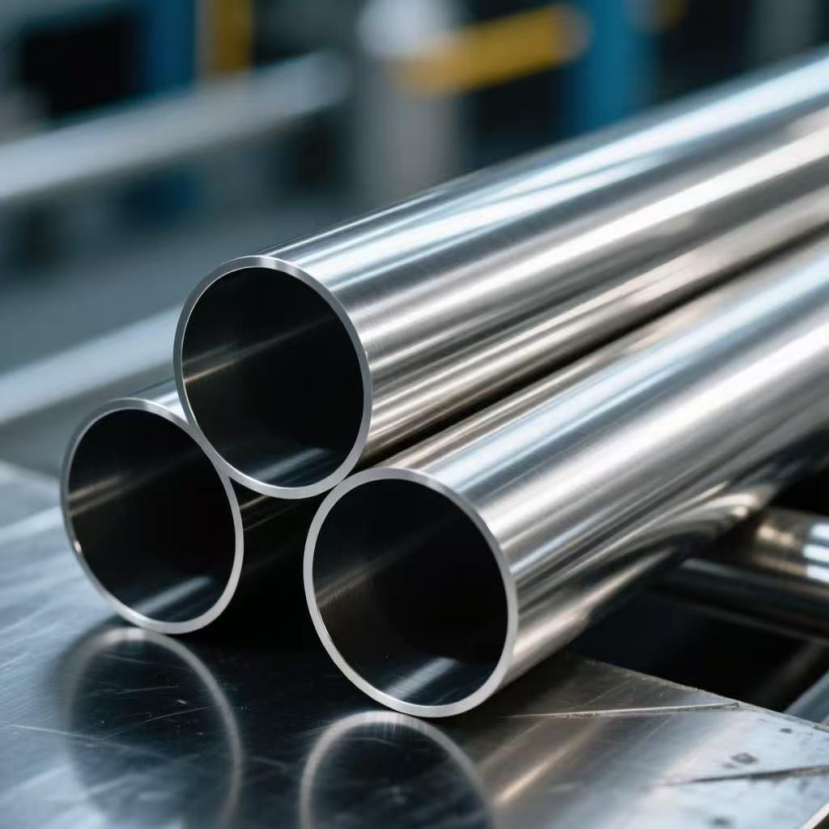
Electronics, Aerospace, and Renewable Energy: Precision Applications of High-Purity Recycled Metal
Copper and Specialty Alloys: Closed-Loop Recycling in EV Motors, Solar Inverters, and Aircraft Components
The most sophisticated forms of recycling verify their purity, consistency, and certified performance in the highest value applications. The copper reclaimed from the end-of-life electronics and power infrastructure is purified through a process of electrolytic refining to achieve >99.99% using laser-induced breakdown spectroscopy, which is satisfying the requirements for thermal and electrical conductivity for windings in EV motors, busbars in solar inverters, and harnesses in aircraft. This closed-loop process offsets 40% of the annual copper mining required to meet global demand and is compliant with the requirements of international standards IEC 60228 and ASTM B172. The same closed-loop process for aerospace-grade titanium and nickel superalloys, used in the turbine blades of jet engines and the fasteners in the airframe as well as the housings of hydrogen compressors, is remelted through vacuum arc remelting (VAR) and electroslag remelting (ESR) offers 60% of the recycled content while meeting the requirements of the fatigue and creep lifetimes. All of these materials meet AS9100D and are fully traceable from feedstock to final component, proving that circularity and mission-critical reliability are not mutually exclusive.
FAQ
What are Electric Arc Furnaces (EAFs) and their advantages in steelmaking?
EAFs are capable of producing high-quality steel from 70–100% recycled scrap metal. They have the potential to reduce energy and CO₂ emissions as well as increase flexibility and be able to use a greater variety of dimensions and be more varied in their scrap compositions.
Why is recycled aluminum critical for EV production?
Aluminum, a highly recyclable metal is imperative for EV production due to its strength-to-weight ratio, thus using it in large components like EV body panels and enclosures improves EV range and efficiency.
How does the construction sector utilize recycled metals?
Recycled ferrous metals, such as structural steel and rebar, include up to 95% recycled content, fulfill all performance-based mechanical and safety standards for critical infrastructure projects, and have minimal sustainability limitations.
What is the importance of recycled copper in the electronics and aerospace industries?
Recycled copper has a zero-carbon footprint, is mined in small quantities, and has the same performance for electric vehicle motors and solar inverters as it does for aerospace.
How do cars manufacturers use recycled metals sustainably?
Manufacturers support circular supply chains with traceable material passports and thorough life-cycle assessments enabled by blockchain technology to comply with laws regarding the use of recycled metals.